
Dry Cleaning in Zambia: What It Fixes That Washing Cannot

Dry cleaning in Zambia is misunderstood in two opposite directions. Some people treat it as a luxury for weddings and funerals. Others use it as a repair shop for clothes already ruined at home. Neither is right. A solvent machine does a job water and detergent cannot: it lifts oil-based soil out of fabrics that would shrink, bleed, distort or lose their shape in a washing machine. Knowing when that applies is the point of this guide.
This guide covers what dry cleaning removes, which pieces genuinely need it, how to read the care label without guessing, what it cannot fix, and how to judge a dry cleaner in Solwezi, Kalumbila or anywhere else in North-Western Province, where the nearest solvent plant may be hundreds of kilometres away.
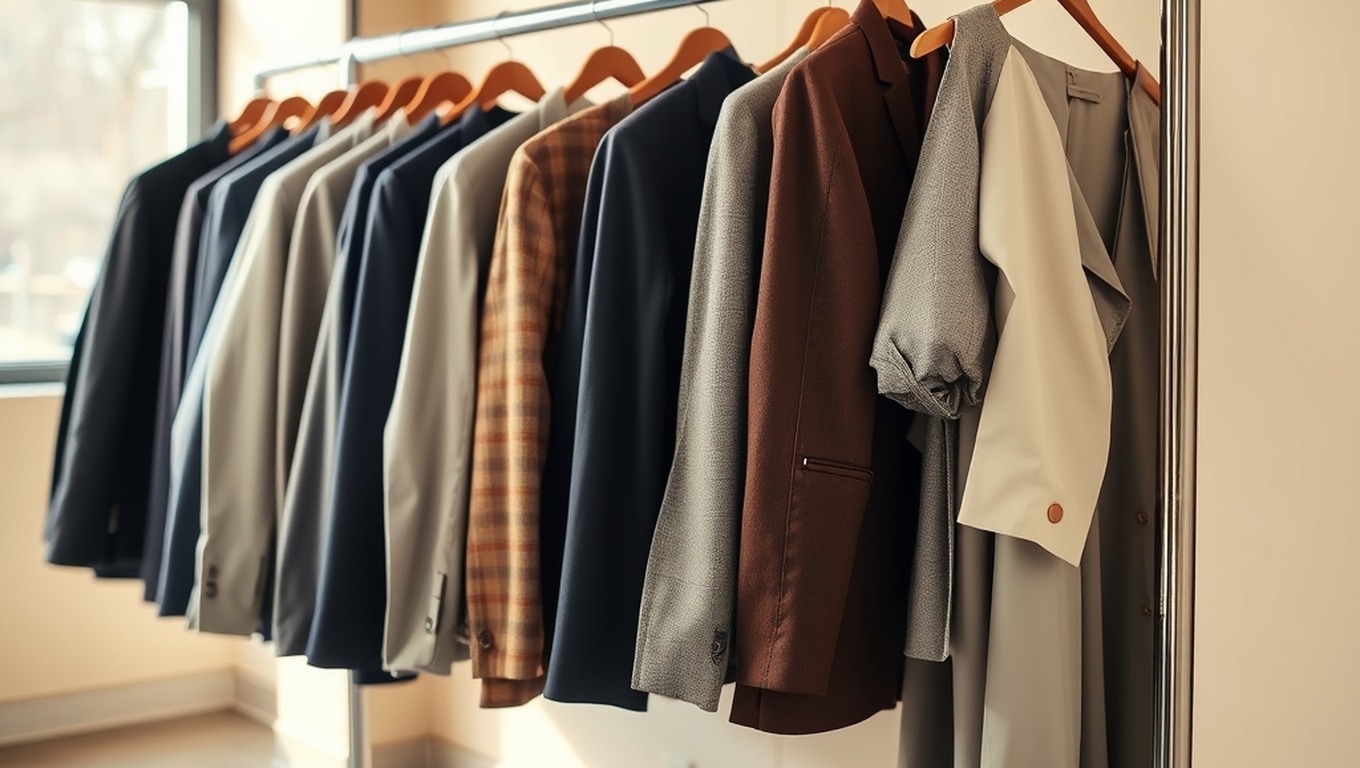
What does dry cleaning actually do that washing cannot?
Dry cleaning is not dry. Under the care labelling rules used in the United States, it means a commercial process using an organic solvent, which may include added moisture up to 75 percent relative humidity, hot tumble drying up to about 71 degrees Celsius, and steam finishing. The solvent does the cleaning. Any water is a controlled amount, monitored, not a soaking.
That matters because of chemistry. Water is a polar solvent: it dissolves salts, sugars, sweat residues and most food stains, but not grease, oil, wax or the sebum that builds up in a collar over months. Organic solvents are the reverse. They lift oils, body fats, cosmetic residues and cooking oil, including the oily part of a stain that has been washed and come out faded rather than clean.
The second difference is physical. A solvent bath does not swell plant fibres the way water does, and cotton, linen and viscose all absorb water, swell and change dimension. A tailored jacket is several layers: outer cloth, interlining, canvas, shoulder padding, lining. When those layers absorb and dry at different rates, the jacket stops being the shape it was cut to be. Solvent cleaning keeps them closer to their original state.
A washing machine cleans cloth. Dry cleaning cleans a garment, which is a structure made of cloth, stitching, lining and shape.
Which pieces in your wardrobe actually need it?
The honest answer is fewer than most people think, and more than most bother with. Workwear shirts, cotton dresses, chitenge, bedding, towels and children's clothes belong in water; they are built for it. The pieces that need solvent are the ones where shape, drape or a delicate fibre is the point.
Garment | Home washing | Professional cleaning |
Tailored suit jacket or blazer | No. The interlining and shoulder shape will go. | Yes, once or twice a season, or after heavy wear. |
Lined dress or occasion wear | Risky. Lining and shell shrink differently. | Yes, after each event if there is staining or odour. |
Wool trousers, skirts, coats | Sometimes, cold hand wash if labelled. | Yes for pressed pleats and structured wool. |
Viscose, rayon, modal blends | Only if the label allows, with care. | Preferred. Wet strength is the weak point. |
Silk blouse or dress | Only if labelled hand wash, no wringing. | Preferred for colour and lustre. |
Chitenge and cotton prints | Yes, cold, inside out. | Not needed unless the dye runs. |
Duvets, blankets, curtains | Duvets and blankets usually yes, if the drum fits. | Curtains yes, for size and hanging finish. |
Look at the seams and the lining, not the outer fabric. If the inside is a different fibre from the outside, water is a gamble.
Check whether the garment is cut to a shape. Interlining and padding are what a washing machine destroys first.
Ask what the garment cost and what it would cost to replace. If the answer is uncomfortable, it is a dry clean item whatever the label says.
Treat any surface finish as fragile: coating, glaze, print, foil, beading. These are the finishes water and heat damage first.
Can you read the care label without guessing?
Most care labels in Zambia follow the international symbol system maintained by GINETEX and standardised as ISO 3758. It takes a few minutes to learn and removes the guesswork that ruins clothes. A circle means professional cleaning. A letter inside the circle tells the cleaner which solvent class is allowed.
Symbol | Meaning | What it means for you |
Circle with P | Professional dry clean in perchloroethylene or hydrocarbon solvent. | The standard dry clean. Most cleaners will accept it. |
Circle with F | Professional dry clean in hydrocarbon solvent only. | Tell the counter staff. Not every plant can run this. |
Circle with a single bar underneath | Mild process, reduced mechanical action, temperature and moisture. | Beading, sequins, delicate trims. |
Circle with two bars underneath | Very mild process. | Fragile surface decoration, bonded or glued trims. |
Circle with a W | Professional wet cleaning. | Water-based professional process, not solvent. Needs a cleaner who offers it. |
Circle with an X | Do not dry clean. | Solvent will damage the finish, coating or trim. |
If the label is missing, cut or faded, assume the gentlest possible process. On a structured garment that means professional cleaning. On a coated, printed or glued item it means spot cleaning by hand, no machine at all.
A care label is a legal instruction from the manufacturer, not a suggestion from the shop. Follow it, and if it is gone, assume the worst case.
Why are viscose and rayon the risky ones?
Viscose, rayon and modal are regenerated cellulose. They are made from wood pulp and behave like a plant fibre with the patience removed. Viscose has low wet strength: it loses a large share of its strength once soaked, so a garment that feels solid on the hanger becomes easy to stretch, distort and tear in the wash basket. It also shrinks and relaxes unpredictably, and many viscose fabrics carry finishes that react badly to water, which is where the pale rings come from on a garment spot cleaned at home.
This is the most common reason a dress arrives at a cleaner already damaged. Someone sponged a stain with water, the finish reacted, and the mark spread. Solvent cleaning avoids the water entirely, which is why a dry clean item with a fresh stain should go to the cleaner before anyone touches it with a cloth.
Wool is a different case. Wool fibres resist odour and surface soiling far better than cotton, so wool needs washing less often than people assume. Woolmark's own guidance is to rest a garment between wears, air it, brush it, deal with a spot straight away, and clean it properly when it actually needs it. For a suit worn twice a week in an office, that usually means a professional clean two or three times a year, not every month.
What can dry cleaning not fix?
Solvent is not a miracle worker, and a good cleaner says so before taking your money. It will not restore a broken fibre, reverse a shrink from a hot wash, bring back sun fade, or remove a stain heat set by an iron or tumble drier, because that substance has bonded to the fibre rather than sitting on it.
Set stains. Once a stain has been ironed or tumble dried, the chance of full removal drops sharply.
Sun fade. Pigment loss is permanent. Cleaning removes soil, not damage.
Perspiration damage. Old sweat marks weaken cellulose fibres. Cleaning may remove the colour of the mark but not the weakness.
Mould staining. Mould grows into the fibre and leaves a stain even after the organism is dead.
Glued trims and coatings. Some adhesives soften in solvent, which is what the X through the circle warns about.
The lesson is timing. A stain taken to a cleaner within a day or two is a routine job. The same stain after a week in a hot wardrobe and an iron is a negotiation.
Ask any cleaner to look at a stain before you agree to the work. If they promise a perfect result on a set stain, they are guessing.
How is dry cleaning priced in Zambia?
Dry cleaning is priced per piece, not per kilo, because the cost sits in handling rather than weight. A jacket needs minutes of inspection, spotting, pressing and finishing; a shirt needs less. That is why a price list at a Zambian cleaner usually runs to twenty or thirty lines rather than one rate.
The drivers are consistent. Solvent and detergent cost money, and solvent prices move with fuel and import costs. Labour is skilled: spotting a stain wrongly creates a claim. Electricity is a real input, and after load shedding a cleaner running a generator carries a cost one with stable power does not. Transport matters more in North-Western Province, where a plant in Solwezi or Kalumbila may move garments to a larger city for some processes. Zambia's urban share keeps growing, according to World Bank urbanisation data and population figures, which is why demand for per-piece garment care keeps rising.
Ask for the per-piece list and the turnaround in writing.
Confirm what the price includes: inspection, spotting, pressing, protective covering.
Ask whether re-cleaning a failed stain is charged.
Ask whether the garment leaves the premises, and if so, for how long.
A cheap per-piece price usually means one of three things: no spotting, no pressing, or the garments travel somewhere else and come back in a week.
How do you judge a dry cleaner in Solwezi or Kalumbila?
Where the nearest large solvent plant may be hours away, questions matter more than branding. A shopfront with a press and a steamer is not automatically a dry cleaner. Professional wet cleaning is legitimate and excellent on many garments, but it is not solvent cleaning and will not satisfy a P label on a structured jacket.
Ask whether the solvent machine is on site. If not, ask where garments go and how long they are away.
Ask which solvent the plant runs, and whether it can handle an F label as well as a P label.
Ask to see the price list before handing over anything, including the charge for a garment that needs re-cleaning.
Look at how finished garments are returned: on a shaped hanger, in a breathable cover, with the collar and shoulders supported.
Ask what they do with a garment that has no care label. A good answer is careful inspection and a conversation, not a shrug.
Check the handling of buttons, beads and belts. Loose trims are removed and bagged, or they are damaged.
One more local point. Much of the clothing sold in Zambia comes through the second-hand trade, and those garments often arrive without labels, with altered hems, or with fibre content nobody can confirm. A cleaner who has handled salaula for years can read a fabric by feel and will say what is likely to survive. That experience is worth more than any sign on the wall.
Is dry cleaning safe for the people who do it?
It is safe when the plant is run properly, and that is not an abstract concern. Perchloroethylene is the most widely used dry cleaning solvent, and the United States National Institute for Occupational Safety and Health regards it as a potential occupational carcinogen. High exposures cause dizziness, drowsiness and loss of coordination. The United States exposure limit is 100 parts per million over eight hours, with a ceiling of 200, and most emissions in a typical plant come from leaks rather than the cleaning process itself.
That is a reason to look at the plant rather than the reception desk. A well run operation seals the machine door, vents the still, stores solvent in closed containers and does not let garments leave the machine wet. The UK COSHH framework is a useful benchmark for assessing solvent risk, and the same regulator's cleaning safety guidance sets out the practical controls. The smell test is crude but useful: a shop that smells strongly of solvent at the counter has a ventilation or handling problem, and the people breathing it are the staff, not the customer.
Closed machine, no solvent smell in the customer area.
Staff wearing gloves and following a written spotting procedure.
Solvent stored in lidded containers, waste solvent not left in open trays.
Garments fully dried before they are pressed or bagged.
If you can smell solvent from the doorway, the plant is losing money and the staff are losing health. Neither is a good sign for your clothes.
How does this connect to the rest of your house?
Garment care is one part of keeping a home running in North-Western Province. The same discipline applies across the wardrobe, the linen cupboard and the rest of the property: deal with the problem early, use the right process for the material, and do not let a small soil become permanent. A shirt collar cleaned weekly lasts years longer than one scrubbed once a season.
If you are setting up a household in Solwezi or Kalumbila, or running a guesthouse, lodge or office where linen and uniforms have to look right every day, it helps to have one supplier who understands both fabric and site. Aenon Horizons works across cleaning services for homes and businesses, from deep cleans and laundry to scheduled housekeeping visits. If you are new to the area, our guide to moving to Solwezi covers what to expect.
Send a message through our contact page, read about us, or browse the Aenon Horizons blog for more guides on keeping a home clean in Zambia. The homepage has phone, WhatsApp and email details for a same week booking.
Quick Answers
Is dry cleaning better than washing?
Not better, different. Solvent removes oil, grease and body fats from garments that would lose shape, colour or size in water. Cotton shirts, bedding and towels are better washed, because water removes the sweat and dust they collect and the fibres are built for it.
How often should a suit be dry cleaned?
Two or three times a year for a suit worn regularly, plus after heavy staining or a long day in dust. Resting and airing wool between wears does more for its life than frequent cleaning.
Can you dry clean a garment with no care label?
Yes, but it should be inspected first. Without a label the fibre and any surface finish must be identified by touch and experience, and the cleaner should state the risk before accepting the work.
Does dry cleaning shrink clothes?
Solvent causes far less shrinkage than water because it does not swell plant fibres. Shrinkage in a dry cleaned garment usually comes from heat at the finishing stage, or a fabric that was already unstable.
Will dry cleaning remove a stain that washing did not?
Often, if it is oil based and has not been heat set. Grease, cooking oil and cosmetics are what solvent is good at. A stain that has been ironed or tumble dried may be permanent.
What does the circle on a care label mean?
A circle means professional cleaning. Letters inside identify the allowed solvent: P allows perchloroethylene or hydrocarbon, F hydrocarbon only, and W professional wet cleaning. An X through the circle means do not dry clean.
Is dry cleaning available in Solwezi and Kalumbila?
Ask whether the solvent machine is on site. Some providers run professional wet cleaning locally and send solvent work to a larger city, which changes both turnaround and what can be accepted. Always get the turnaround in writing before a deadline.
Read the label, clean the garment for the fibre it is made of, and treat a stain as urgent. That is the whole of garment care in three lines.


Comments