
How to Deep Clean Your House: The Complete Room-by-Room Guide

Learning how to deep clean your house, room by room, is the difference between another tired Saturday of surface-wiping and a home that genuinely feels reset. It matters more here than almost anywhere: in Solwezi and Kalumbila, the dry season paints every ledge with red dust, then November brings rains that keep the windows shut for months. This guide walks the whole job: what makes a deep clean different, when your house needs one, the golden order of work, a budget supplies list, room-by-room routines, a one-weekend plan, and the jobs best handed to a professional team.
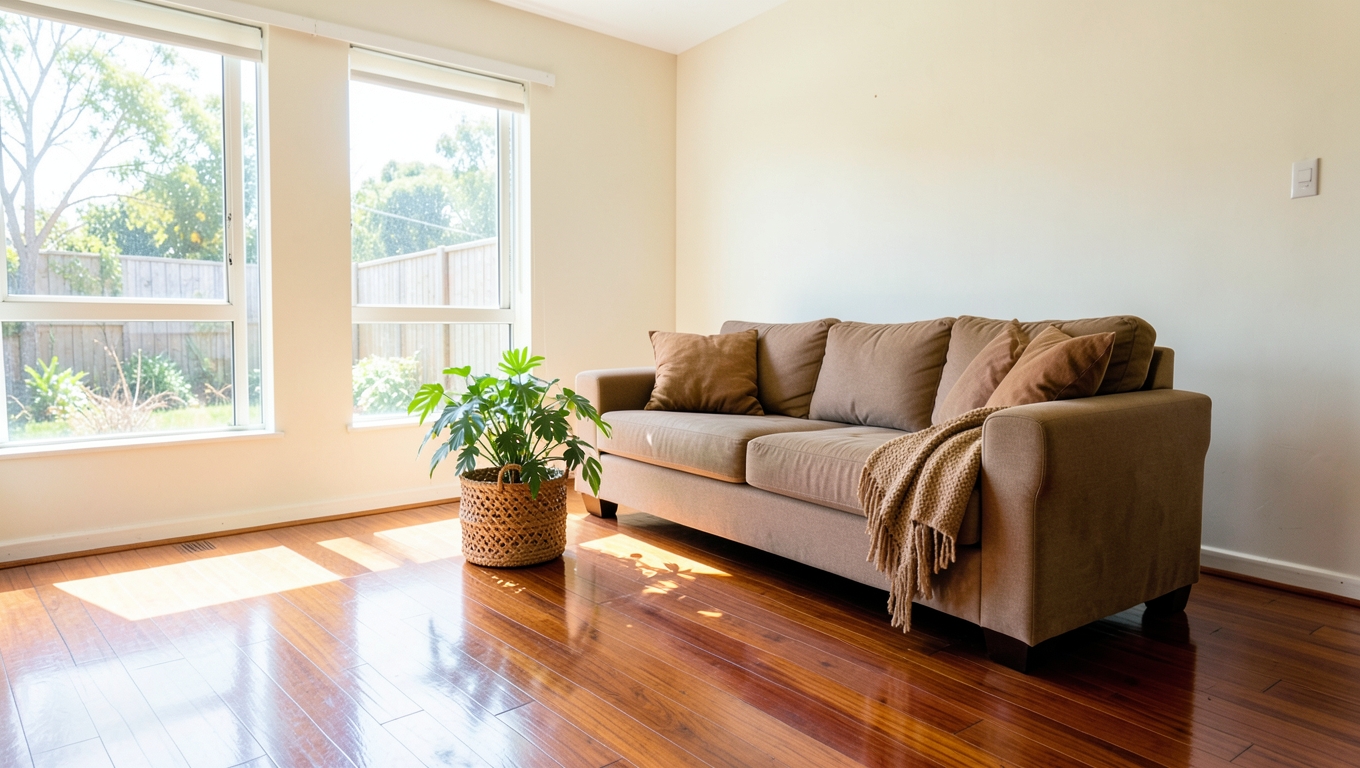
A proper deep clean touches every room, top to bottom.
What Makes a Deep Clean Different from a Weekly Tidy?
A weekly tidy puts things away and wipes the surfaces you can see. A deep clean goes after everything the tidy skips: the tops of door frames, the skirting boards, the inside of the oven, the dust colony behind the fridge. Housekeepers draw the line in the same place: tidying clears space so dirt can be reached, and the real work includes moving furniture to reach the edges and hidden areas, as the entry on housekeeping sets out.
The numbers say plenty. The US Environmental Protection Agency notes that people spend roughly 90 percent of their time indoors, and its assessment of indoor air quality found concentrations of some pollutants running two to five times higher inside than outside. That dust gathers on curtains, mattress tops, shelf edges and ceiling fans.
Aspect | Weekly tidy | Deep clean |
What gets cleaned | Open surfaces, floors, dishes | Every surface, edge and appliance, inside and out |
Furniture | Wiped around | Moved and cleaned behind and beneath |
Height of the work | Bench and eye level | Ceiling fans to skirting boards |
Time | An hour or two | A full weekend, or a team with the right kit |
Rhythm | Every week | Every three to six months, or at turning points |
A tidy hides the dust. A deep clean shows it the door.
When Does a House Actually Need a Deep Clean?
Cleaning services split their work into regular cleaning, which maintains a home week by week, and one-off deep cleans ordered for a moment: moving in, moving out, after a renovation, after a big event. These moments call for one:
You are moving in or out. An empty house offers the one chance to clean corners that furniture will hide for years.
The dry season has ended. From August to November Zambia bakes hot and dry, and the north gathers red dust on every ledge, as Zambia Tourism's climate guide describes.
The rains are coming. From November the windows close and humidity moves in, so one deep clean before the first storm keeps damp and mould from settling; our Zambia rainy-season ready guide covers the season in full.
Someone has been ill. Strip the beds, air every room, and give the high-touch spots their full wipe-down.
A big family visit is coming. Kitchen parties, weddings and Christmas reveal exactly what a house hides.
Shifts have taken over the house. In a mine-shift household, the deep clean has to go on the roster like a shift, or it slides for months.
Researchers trace the seasonal reset to the Iranian Nowruz, when homes receive a khaneh tekani, literally a shaking of the house, as the story of spring cleaning records. Zambia runs on its own clock: dry season, rain, dust, relief, repeat.
Red dust does not knock. It settles in quietly for months, then expects to stay.
What Is the Golden Order of Work?
Professionals follow three rules that save hours of rework: top to bottom, because dust falls; dry before wet, because dust plus water equals mud; and back to front, so you never carry dirt through clean rooms.
Rule | In practice | Why it works |
Top to bottom | Ceilings, fans, cupboard tops, shelves, floors | Dust falls, so floors wait for last |
Dry before wet | Dust and vacuum first, then damp-wipe and mop | Wet dust spreads into corners and streaks |
Back to front | Furthest room first, finish near the door | You never tread through rooms already finished |
Wet rooms last | Kitchen and bathroom after the dry rooms | Water and grease travel, so keep them near the end |
A deep clean runs on a handful of basics, most of them already in the kitchen:
Two buckets and a mop with a removable head, one for soapy water and one for rinsing.
A pile of microfibre cloths, with one colour for the bathroom and one for the kitchen.
A soft broom, a dustpan and a vacuum if you have one, with a crevice tool for edges and seams.
White vinegar, baking soda and liquid dish soap, the trio for glass, grease, grout and drains.
A mild all-purpose cleaner and an oxygen bleach for whites; keep chlorine away from colours.
Rubber gloves, an old toothbrush and a grout brush.
A caddy or bucket, so the kit travels with you, not the other way round.
Work like the dust falls: from the top down, dry before wet, and leave the floors for the very end.
How Do You Deep Clean a Kitchen?
The kitchen is the hardest-working room in the house, and home to two famously stubborn messes: nshima that welds itself to the pot, and kapenta oil that perfumes everything. Both have answers. Work from the top down:
Clear and dust high. Empty the benches, then dust cupboard tops, the extractor hood and the light fittings.
Cupboards, inside and out. Wipe the doors and shelves, and move the oldest jars to the front.
The fridge. Unplug it, wash the shelves in warm water and baking soda, wipe the seals, and vacuum the coils behind.
Stove and oven. A baking soda paste left for twenty minutes lifts most oven grime; soak the extractor filter in hot soapy water.
Sink and tap. Wrap the tap in a vinegar-soaked cloth, then flush the drain with baking soda, vinegar and hot water.
Small appliances. Descale the kettle with vinegar; steam the microwave clean with a bowl of water and lemon.
Sponges and dishcloths. Sponges are bacteria hot spots: researchers found 362 different types of bacteria inside used kitchen sponges, so replace yours often and wash cloths hot, as the sponge microbiome study in Scientific Reports reports.
Now the local classics. Never attack nshima starch dry: fill the pot with warm water and a spoon of baking soda, let it soak while you clean the rest of the room, and it lifts with a soft cloth. Kapenta oil wants speed and air: wipe splashes while they are fresh, because heat sets stains into cloth and surfaces, as the New Mexico State University Extension guide warns. Ventilate while frying, too: the World Health Organization links household air pollution from solid fuels to 2.9 million deaths a year. Our guide to removing stains from clothes has the playbook for anything that sets anyway.
Bench-level shine is easy. The real kitchen clean happens up high, under the sink and behind the fridge.
How Do You Deep Clean Bathrooms and Bedrooms?
Start by opening a window and switching on the extractor: humidity is the enemy you cannot see. Then work from the ceiling down:
Mirror and tiles. A vinegar and water spray starts the job; let it sit a minute, then wipe.
Grout. Baking soda, water and an old toothbrush bring grout lines back to life.
Showerhead. Tie a bag of vinegar around it overnight and limescale rinses away by morning.
Toilet. Clean the bowl properly, wipe under the rim and around the hinges, and close the lid before flushing: University of Iowa researchers found a flush throws up an aerosol plume that lingers around the bowl.
Towels and mats. Wash them hot and dry them fully; a damp towel is a smell factory.
Finish dry. Squeegee the shower and wipe the basin, so the room leaves the job dry.
Then the bedrooms, where the golden rule is linen first. Medical guidance says wash sheets at least once a week, on the hottest setting the fabric allows, because heat kills dust mites and clears allergens, according to the Cleveland Clinic. A small gift from the same article: leave the bed unmade for a while in the morning, so night sweat can dry instead of feeding whatever lives in the mattress.
Strip every bed. Sheets and pillowcases to the wash, then vacuum the mattress surface and rotate it.
Dust from the top. Ceiling fan, light fittings, headboards, then skirting boards and window sills.
Under and inside. Pull out the under-bed boxes and wipe the wardrobe shelves while they are empty.
Curtains and soft things. Check the care label first; the University of Georgia Extension care pages cover each fabric properly. For couches, carpets and mattresses, see our sofa, carpet and mattress guide.
You will spend a third of your life in these two rooms. Do not let them be the only ones the deep clean skips.
How Do You Deep Clean Living Rooms, Floors and Windows?
The living room is where dust settles fastest: the household, the visitors and the afternoon breeze all land here. Clear the surfaces first, then tackle the soft furnishings:
Sofa and cushions. Vacuum the seats, the crevices and underneath; wash removable covers when the label allows.
Electronics. Dry-dust screens with a microfibre cloth; never spray liquid onto a screen.
Shelves and decor. Start at the top shelf and wipe the ornaments as you lift them.
High dusting. Cornices, curtain rails, ceiling fans and picture frame tops.
Floors come last, after the dust above has had its day. Sweep or vacuum each room from the furthest corner towards the door, then mop in sections with clean warm water, rinsing the mop often; if the water turns grey, change it and go again. Tiled floors and verandas usually need only a damp mop, and door mats deserve a good shake: in dust season the entrance is where the battle is won or lost.
Windows close the job, inside and out. Good Housekeeping's cleaning team suggests a dry, cloudy day for glass, since direct sun dries the cleaner too fast and leaves streaks, as their house cleaning checklist explains. Wipe the sills and vacuum the tracks first, then wash the panes and squeegee from the top down.
Floors last, windows on a soft grey day, and the whole house suddenly holds its light differently.
Can You Deep Clean a Whole House in One Weekend?
Yes, if you split the work across two days and respect the golden order. One household, two days, one realistic plan:
Friday evening. Gather the kit, do a declutter sweep, start the first laundry load, and brief everyone helping; in a multilingual home, tasks land better in the language people think in, which is where our guide to Zambian languages earns its keep.
Saturday morning. Bedrooms and the bathroom, worked top-down.
Saturday afternoon. The living room, then the windows if the sky stays dry and grey.
Sunday morning. The kitchen, the big one, with the nshima pot soaking while you work.
Sunday afternoon. Floors, veranda and doorstep, then a walk-through with a cup of tea to catch what everyone missed.
Room | The big jobs | Time estimate | Best slot |
Bedrooms | Strip beds, wash linen, dust top-down, vacuum mattresses | 2 to 3 hours | Saturday morning |
Bathroom | Tiles and grout, showerhead, toilet, towels and mats | 1 to 1.5 hours | Saturday midday |
Living room | Sofa, cushions, electronics, shelves, high dusting | 1.5 to 2 hours | Saturday afternoon |
Kitchen | Cupboards, fridge, oven, extractor, sink | 2 to 3 hours | Sunday morning |
Floors and windows | Sweep, vacuum, mop, mats; window panes, sills and tracks | 1.5 to 2 hours | Sunday afternoon, last |
Two rhythm notes. Most cleaning professionals put the full reset on a three to six month clock, so once a season is a sensible default with a dusty address, as the Real Simple cleaning schedule sets out. The University of Georgia Extension also recommends a walk-through twice a year, in spring and autumn, for exhaust fan screens, fridge coils and dryer lint, as its home maintenance checklist lists. Put the next date in your phone now, while the house still smells of victory.
Deep Clean Your House: Quick Answers
The questions households in Solwezi and Kalumbila bring us most.
How often should you deep clean your house?
Two to four times a year suits most homes, ideally once a season. Add another reset if you have pets, young children, allergy sufferers, or a house that collects dust the way ours does.
What should you do first in a deep clean?
Declutter and strip the beds first, then dry-dust the furthest bedroom from the top down. The first hour is about clearing and lifting dust before any scrubbing.
Can you deep clean a house in one day?
A small home with a whole team can turn around in a day. For most families, one weekend split across two relaxed days beats one frantic day, and nothing gets skipped.
What is the best order to clean rooms?
Back to front and dry before wet: bedrooms and living areas first, then the bathroom and kitchen, then floors. Start at the far corner and finish at the door.
How do you deep clean without harsh chemicals?
Vinegar, baking soda, dish soap and hot water handle the majority of the work. Ventilate while you clean, never mix bleach with ammonia, and save stronger disinfectants for illness days.
When should you call in professionals?
For the machines and the tall jobs: mattresses, carpets and upholstery, high windows, post-renovation dust, and any reset that must be perfect before a move-in or move-out deadline.
The Deep Clean You Would Rather Not Do Yourself
There is a point in every deep clean where the list stops being fun: the mattress that needs steam, the windows a ladder can barely reach, the whole-house reset squeezed between handing over one house and collecting the keys to the next. That is where we do our best work. Aenon Horizons is a registered Zambian company that has served homes and businesses across Solwezi and Kalumbila for years, with Lusaka coming soon:
Maid and cleaning services. One-time deep cleans and scheduled maintenance for corporate and residential clients; our guide to booking maid services in Kalumbila and Solwezi explains how it all works.
Laundry and dry cleaning. Curtains, linen, duvets and the week's wash, finished at our bespoke scent bar, with an express turnaround of 1 to 4 hours when the day cannot wait.
Office cleaning. The same care goes into office sanitation for corporate clients.
Car wash and auto care. After the house, the car carries the red dust and the school-run crumbs, and our auto care team finishes the job.
Every team is vetted, uniformed and trained, and every job is graded against our five-star quality-control system. Message us on WhatsApp at +260 978 789 767 or email info@aenonhorizons.com, book right here, see the full range on our services page, meet the team on our about page, or browse more guides on our blog. Our office is on Kansanshi Road, opposite Yadah Christian School, Solwezi 10101.
The deep clean you would rather not do yourself? That is our favourite kind.


Comments