
Household Pests in Zambia: How to Keep Cockroaches, Ants and Mosquitoes Out

Dealing with household pests in Zambia is less a wildlife problem than a housekeeping one. Cockroaches, ants, mosquitoes, flies, rats and termites all want the same three things: food, water and a dark place to hide. Take those away and most of the work is done before you reach for a spray.
This guide covers why pests come indoors, what works against the common ones, how to pest-proof a house, and where cleaning stops being enough.
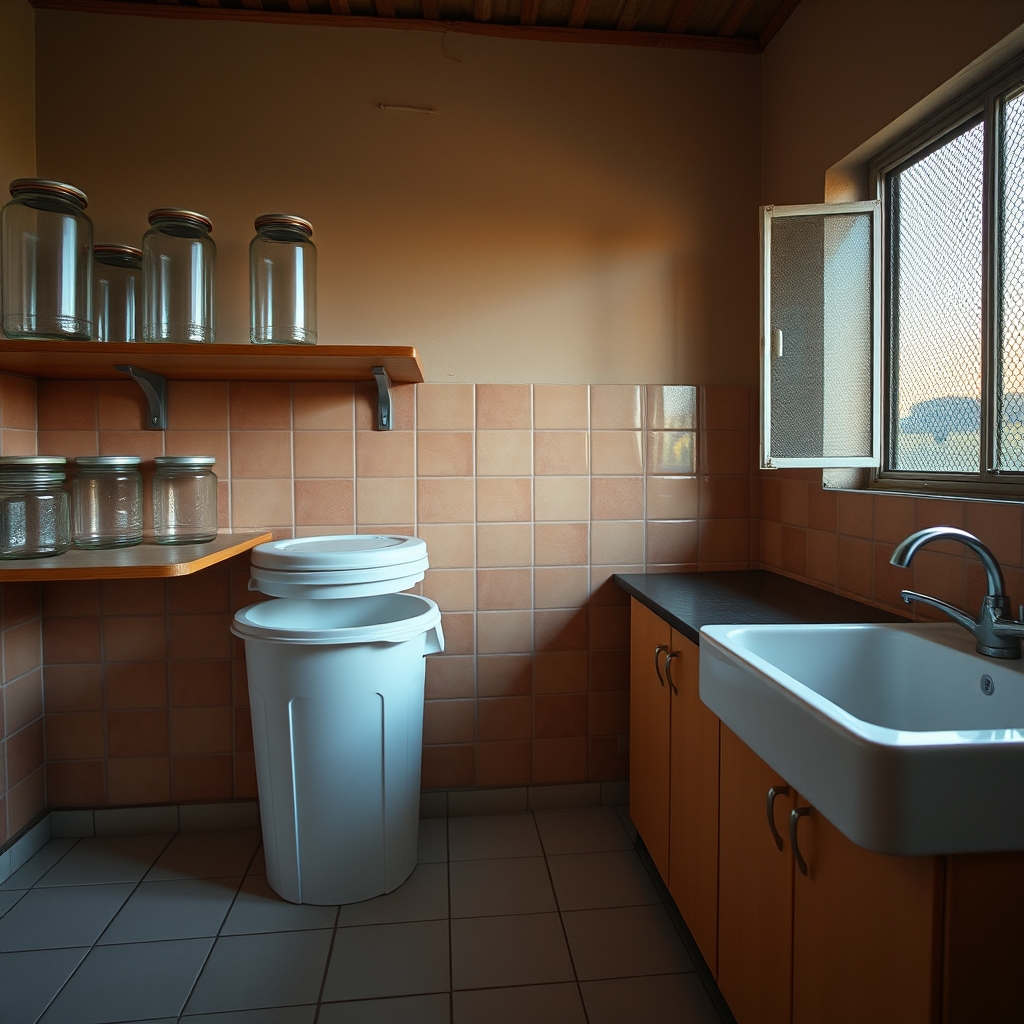
Sealed food, empty water containers and a covered bin do more than any spray.
Why Do Pests Come Into a House?
Pests want food, water, warmth and a way in. A house that offers all four keeps visitors; a house that offers none stays quiet. The World Health Organization reports that vector-borne diseases account for more than 17 percent of all infectious diseases and cause more than 700,000 deaths every year. Mosquitoes carry most of that burden in Zambia, while cockroaches, flies and rodents cause their own problems in a kitchen long before anyone falls ill.
What a pest needs | Where it hides in a Zambian house | What removes it |
Food | Crumbs under the plate rack, uncovered maize meal, sugar bowls, pet bowls, kapenta bones in an open bin | Airtight containers, a wipe down after the evening meal, a lid that closes |
Water | Standing water in drums and old tyres, leaking taps, the tray under the fridge, damp behind the washing machine | Empty and scrub containers weekly, repair the drip, dry the corner |
Shelter | Cardboard boxes, stacked sacks, a gap behind the cupboard | Tidy storage, sealed gaps, dry walls (see our guide on how to declutter your home) |
A way in | Torn window gauze, a gap under the door, unplastered holes around pipes and cables | Screens, door brushes, cement or steel wool in the holes |
A single deep clean will not hold the line on its own. Pests return within a fortnight, so a steady routine beats a weekend of hard work followed by three months of nothing. If you are starting from a neglected house, work through our guide to how to deep clean your house, then hold the standard with fifteen minutes a day.
A pest does not need a dirty house. It needs a way in, a drink and something to eat.
How Do You Get Rid of Cockroaches in a Kitchen?
Cockroaches want warmth, moisture and grease, which is why the kitchen suits them. Look behind the fridge, in the hinge gaps of cupboards, under the sink and inside the drain. The EPA indoor air quality guidance lists cockroach droppings among the allergens that trigger asthma, and Clemson University's home pest service notes that cockroaches spread germs onto the surfaces they walk across.
Cockroaches also travel along shared walls and drains, so a spotless house can still see them if the kitchen next door is a buffet. Your aim is not extermination by yourself but removing the reason they stay, then knocking down the population that remains.
Shut the kitchen down at night. Wipe the stove, counters and sink after the evening meal, take the bin out, and follow our guide to how to clean your kitchen for the weekly routine.
Move the food into containers. Maize meal, rice, sugar, flour and biscuits go into lidded tins or sealed buckets before bed.
Scrub the drains weekly. A cup of bleach in hot water down a scummy drain does more than spraying a cupboard, and bathroom drains feed kitchen cockroaches (our bathroom cleaning guide covers the round).
Crack and crevice, not the open floor. Gel bait in the hinge gaps and behind the fridge works better than a spray across the tiles, and is safer around children and pets.
Fix the damp. A dripping pipe under the sink keeps a colony going.
Cockroaches on the counter in daylight mean the population is already large.
Kill the roaches but keep feeding them and you have not solved anything. You have only made room for the next lot.
How Do You Stop Ants Coming Into the House?
Ants follow a scent trail, and the rains send them indoors in search of dry ground and sugar. The instinct is to spray the line on the counter, but that is the one thing you should not do: killing the visible ants destroys the trail and leaves the colony behind, somewhere under the paving or in the compound wall. Follow the trail back to the nest, bait along the route rather than on it, and let the workers carry the bait home.
Wipe with soapy water. Once the trail is gone, ants lose the route, because soap cuts the pheromone line that a dry wipe leaves behind.
Find the nest. Watch the trail at dusk when the line is busiest, then follow it to the wall, kerb or planter.
Use bait, not a spray. Stations set along the trail, out of reach of children and pets, clear a colony over a week or two instead of scattering the survivors.
Cut the supply. Sugar, honey, jam and cold drink spills are the strongest draw in any kitchen. Wipe the kettle area, the table and the floor under the bin.
Close the holes. Cement small gaps around pipes and cables, and smear petroleum jelly around door frames if ants use the doorway as a highway.
Vinegar, soap and water handle almost every surface in a Zambian kitchen and leave no insecticide residue near food; our natural cleaning guide explains what to mix.
Spray the ants you can see and you lose the trail to the ones you cannot.
How Do You Keep Mosquitoes Out During the Rainy Season?
Zambia's rains run from November through April, and the mosquito season runs with them. The WHO malaria fact sheet puts the global burden at an estimated 282 million cases and 610,000 deaths in 2024, with 95 percent of cases and deaths in the African Region, and the WHO country office for Zambia tracks the toll that this takes on families here.
Mosquitoes need standing water for the first part of their lives. Around a house in Kalumbila or Solwezi, water collects where nobody thinks to look: the drum by the back door, tyres in the yard, the wheelbarrow on its side, the saucer under a pot plant, the old bucket in the long grass. Drinking water should stay covered and clean, as the WHO drinking water fact sheet advises.
Where water gathers | What to do | How often |
Water drum or tank | Fit a lid and never rest a dipper inside it | Always covered |
Tyres, buckets and basins in the yard | Tip them out and store them under shelter | After every heavy rain |
Pot plant saucers and flower pots | Empty them onto the garden bed | Twice a week |
Gutters, drain trays and soak pits | Clear leaves and silt so water runs away | Before the rains start |
Anything that can hold a cup of water | Walk the yard with a rubbish bag | Weekly |
Then block the adults from coming in. Repair torn gauze, screen the bedroom window, tuck the net under the mattress, and burn coils or use repellent on the veranda in the evening. The US EPA mosquito control pages set the same order of priorities: dump the water, cover what you cannot dump, treat the larvae, and only then deal with adult mosquitoes.
Our Zambia rainy season ready checklist puts the water walk, the gauze check and the drain clearance into one afternoon.
You will never spray your way out of a mosquito problem that is breeding in a bucket next to the back door.
What Attracts Flies and How Do You Cut It Off?
Flies follow smell, and they bring whatever they last landed on with them. The WHO food safety fact sheet estimates that 866 million people fall ill after eating contaminated food each year and 1.52 million die from it, with children under five carrying 29 percent of the health burden. The NHS food poisoning guidance lists the usual suspects: campylobacter, salmonella, E. coli and norovirus.
The housekeeping answer is to remove the smell before the flies find it. Keep the lid on the bin, line it and carry the waste out daily, and wash the bin with soap and bleach water outside. Rinse the plates straight after a meal, keep kapenta or meat covered, and if you dry fish in the yard, keep it under mesh and away from the bin.
Bin hygiene. Lid closed, bag tied, out daily, bin scrubbed weekly. A bin lid left open is a fly factory.
Food covers. A mesh cover over the plate costs less than one course of antibiotics.
Drain and floor. Food that collects in the floor drain and under the fridge feeds fly larvae.
Yard clean-up. Animal dung, rotten fruit, spilt maize bran and dead rodents are fly nurseries. Clear them and the fly count drops within days.
A rubbish bin that smells sweet is not clean. It is a nursery.
How Do You Pest-Proof a House?
Pest proofing is unglamorous work that pays off for years: screens, seals, dry walls and tidiness. The EPA principles of integrated pest management put prevention first, then monitoring to identify which pest you actually have, and only then a targeted treatment, and the EPA safe pest control hub gathers that advice in one place.
Area | Check | The job |
Kitchen | Food containers, bin lid, fridge tray, drain | Lidded tins, bin out nightly, drain scrubbed, tray dried |
Windows and doors | Torn gauze, gaps under the door, broken vent | Repair screens, fit a door brush, cover the vent |
Wet rooms | Leaking taps, shower waste, damp wall | Fix the drip, clean the trap, keep the wall dry |
Bedrooms and stores | Boxes under the bed, stacked sacks in the corner | Store in sealed containers, keep a space to the wall |
Yard and veranda | Standing water, rubbish corner, long grass, open drain | Weekly clear up, cover the drain, cut the grass back |
Rats and termites are not a cleaning matter. Rats in the roof or a run along the wall need an experienced professional. Termites are worse: the University of Kentucky entomology department describes swarmers appearing after warm rain and damage showing as timber hollowed along the grain with a mud lining, which means the colony is already inside the structure.
Screen it, seal it, dry it, clear it. Four verbs cover most of pest control.
When Is It a Cleaning Problem and Not a Spraying Problem?
Cleaning removes food, water and harbourage, which is what stops pests settling in; spraying kills the population that has already settled. If your problem is crumbs, an open bin, a dripping tap or a wet drain, cleaning is the fix and a chemical is a waste of money. Cockroaches by day, rats in the roof or mud tubes on the wall mean you need a registered pest control operator.
Where a household does use insecticide, use it properly. The EPA dos and don'ts for pest control put baits ahead of sprays, insist on reading the label, and warn that empty containers must never be reused. The WHO chemical safety questions and answers note that pesticides are toxic and that deaths from self-poisoning fall hardest on low and middle income countries, while the UK Health and Safety Executive sets out the rules for buying and using them.
Practical rules for any product, wherever it came from:
Read the label before opening the tin, and follow the dose and waiting time.
Never spray where food is prepared or stored.
Keep children and pets out until the surface is dry, and open the windows.
Store every chemical in its original labelled container, locked away from food.
Baits and gels belong in cracks, not on surfaces a crawling child can reach.
If your house needs the cleaning half done properly, that is where a professional team saves the most time. Our notes on cleaning services in Solwezi set out what a good job looks like.
Household Pests in Zambia: Quick Answers
Short answers to the questions we hear most often around Solwezi and Kalumbila.
Does a clean house still get pests?
Yes, and often. Pests need food, water and shelter, not dirt, so a tidy house next to a neglected store room or a greasy drain can still have cockroaches. Treat a run of sightings as a sign that something behind a cupboard or in a drain is feeding them.
Are insecticides safe around children and pets?
They are safe only when the label is followed exactly. Keep children and pets out of the treated room until surfaces are dry, never spray near food or utensils, and store products locked away in their original containers. If a child swallows any product, seek medical help at once and take the container with you.
Can cockroaches live in a clean kitchen?
They can, especially if the kitchen is damp. A leaking pipe under the sink, a warm motor at the back of the fridge and a greasy drain are all the accommodation a colony needs. Wipe and dry the surfaces, fix the drip, scrub the drain weekly and bait the hinge gaps.
Which foods attract the most pests?
Sugar, maize meal, rice, cooked nshima, kapenta, meat and anything oily. Ants go for the sugar, weevils and rats go for the grain, flies and cockroaches for scraps and grease. Decant dry goods into lidded tins, keep cooked food covered, and put bones and wet waste straight into a closed bin outside.
How often should the bin be emptied?
Daily in the rainy season, and never left in the kitchen overnight. Line the bin, keep the lid closed, and wash it with soap and bleach once a week outside.
Should you clean first or spray first?
Clean first, always. Cleaning removes the food, water and grease that keep a pest population alive, and it lets you see where they are coming in. Then bait or treat the place you found. Spraying a dirty kitchen kills some insects, leaves the conditions untouched and puts a chemical on surfaces you cook on.
When the Pests Keep Coming Back, Call in Help
If you have cleared the crumbs, emptied the water and sealed the food, and the problem still returns every few weeks, the cleaning is done and the infestation needs proper attention. Aenon Horizons cleans homes and business premises across Solwezi, Kalumbila and the surrounding North-Western Province.
Deep cleaning of kitchens, bathrooms, drains and store rooms, the places pests actually use.
Regular housekeeping visits through the rainy season, when the pressure is highest (see what to expect from maid services).
Post-treatment cleaning, so residue, dead insects and droppings are removed safely after a pest control visit.
Send us a message through our contact page, read the full list of services, or start with our about us page. More guides are on the Aenon Horizons blog, and the homepage has our number, WhatsApp line and email for a same week booking.
Start tonight with the three things that cost nothing: the bin out, the dishes washed, the water tipped out.
Clean the reason, not just the pest, and the pests stop coming back.


Comments