
Chitenge Fabric Care: The Fun Guide to Dazzling Prints

Chitenge fabric care is the difference between a wardrobe that stays dazzling for years and one that fades to a sad whisper of its former self, and this fun guide will make you a fabric-care expert in ten minutes. Chitenge is everywhere in Zambia: worn as wraps and head ties, tailored into outfits for every occasion, spread on tables, draped over shoulders, and given as a gift with real meaning. It is bold, beautiful and built to last, but only if you treat it right. Here is everything you need to know: how to wash it, how to dry it, how to iron it, how to fix the classic mistakes, and how to keep every colour as loud as the day you bought it.
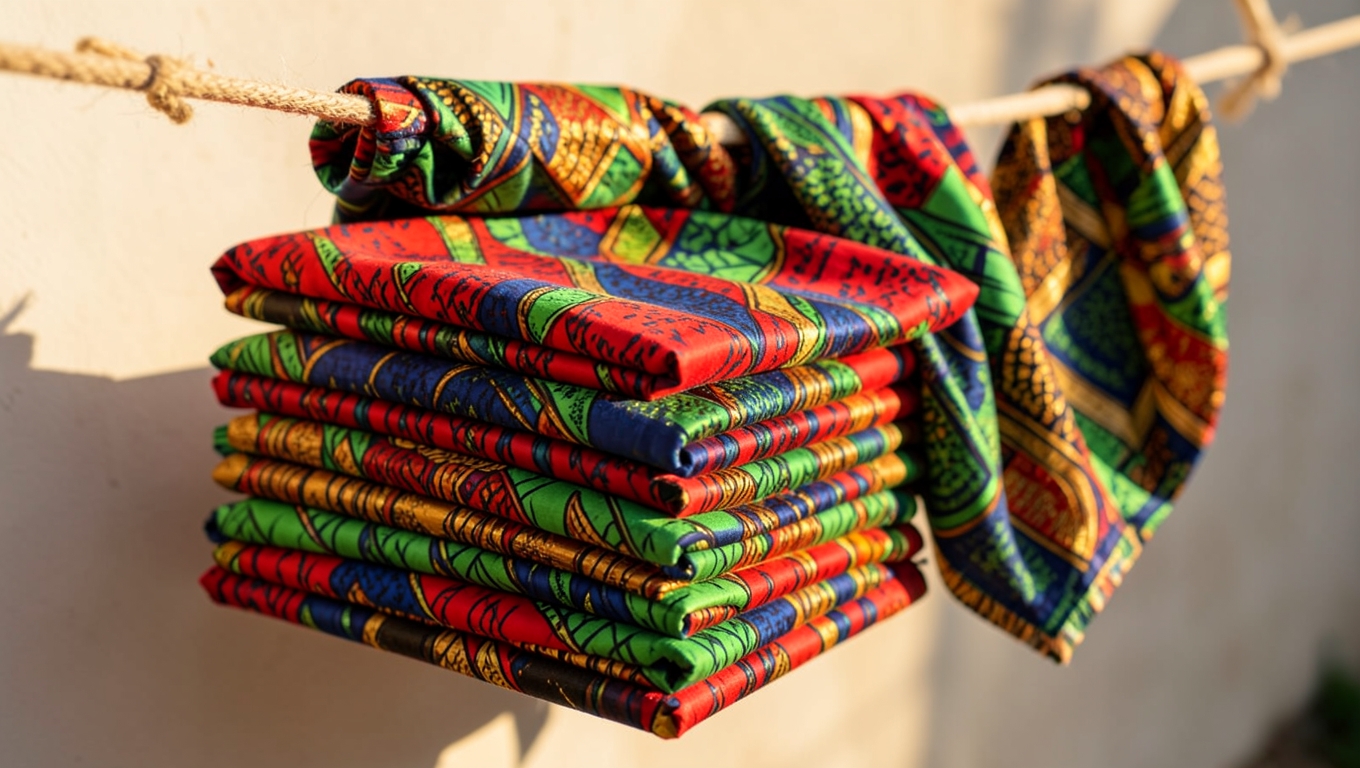
Chitenge at its best: bold colour and crisp print, cared for properly.
What Exactly Is Chitenge, and Why Does It Matter?
Chitenge, also called kitenge, is the colourful printed cloth at the heart of Zambian style: a length of cotton fabric around six feet or two metres long, traditionally wax-printed in bold geometric and floral designs. It is worn wrapped around the waist, tied over the shoulder, wound into a head wrap and tailored into everything from everyday skirts to wedding outfits. As writers on Zambian fashion describe it, the chitenge is a piece of cloth about two yards long that women wrap around the body, with a width generous enough to cover and carry.
That is why caring for it matters. A chitenge is often a gift, sometimes a family heirloom, and always a statement. Treat it gently and it will serve you for years, keeping its colour through wash after wash and gathering compliments every time you wear it. Zambian women have turned chitenge into one of the most versatile fabrics on earth: there are dozens of ways to tie, wear and use it, from skirts and dresses to head wraps, baby carriers and picnic blankets. A fabric that does that much for you deserves the best care you can give it. It sits right alongside the rest of the country's people and culture: bold, warm and proudly Zambian.
In Zambia, the chitenge is not just cloth. It is a wardrobe, a handshake and a celebration, all printed onto cotton.
Why Does Chitenge Need Special Care at All?
Because of how it is made. Chitenge is a wax-print fabric, dyed through a resist process that embeds vivid colour deep into the cotton. That process, developed by Vlisco in the Netherlands and now produced across Africa, is what makes the prints so bold, and it is also why the fabric deserves a little thoughtfulness: hot water, harsh detergents and rough handling can pull colour out, dull the print and shrink the cloth. The good news is that the rules are simple, and once you know them, caring for chitenge is easier than caring for most things you own. Here is the whole method at a glance.
Rule | The why |
Cold water only | Heat releases the dye and dulls the print |
Mild detergent | Bleach and harsh enzymes strip colour from the cotton |
Hand wash or delicate cycle | Rough agitation frays fibres and blurs prints |
Shade drying, inside out | Direct sun slowly fades even the boldest colours |
Warm iron, reverse side | Protects the print surface and sets a crisp finish |
Cool, dry, dark storage | Keeps colour and cotton in perfect health for years |
One piece of good news up front: quality wax prints are tougher than they look and can handle decades of wear when washed gently. You do not need special machines or exotic products. Cold water, a mild detergent, patience and shade will do almost all of the work.
Chitenge is dyed to be loud. Your job is simply not to turn the volume down.
How Should You Wash Chitenge?
Here is the routine the fabric experts recommend. Follow it once or twice and it becomes muscle memory.
Pre-wash before first use. Rinse new chitenge in cold water on its own before wearing or sewing it. As fabric care specialists advise, new wax prints can release a little excess dye in the first wash, and the pre-wash also softens the crisp factory finish from the wax and sizing used in manufacturing.
Test for colour-fastness. Dampen the fabric, press a white cloth onto it and iron over both. If colour transfers, wash that piece separately with similar colours from then on. It is a thirty-second test that saves a whole load of laundry regrets.
Always use cold or lukewarm water. Hot water is the enemy of African print fabrics; it coaxes the colour out. Care guides are clear: cold water keeps colours sharp, and it is gentler on the cotton fibres too.
Hand wash, or a gentle machine cycle. Hand washing in cold water is the gold standard. If you must machine wash, choose a delicate cycle, cold water, and slip the garment into a mesh laundry bag for extra safety.
Use a mild liquid detergent. Skip bleach, skip anything with harsh colour-stripping enzymes, skip strong stain removers. A mild detergent for colours is exactly right.
Wash separately at first. Give new or strongly coloured pieces their own wash for the first few times, and keep them away from whites until you know how they behave.
Treat stains gently. Dab, do not rub. Soak briefly in cold water with mild detergent, and test any product on a hidden seam first. The same gentle instinct applies through the rainy season, when damp clothes need airing rather than a hot wash.
Cold water, mild soap, gentle hands: three habits that keep chitenge bright for decades.
How Do You Dry and Iron Chitenge Without Ruining It?
Saving the colour happens in the wash, but saving the shape happens in the drying and ironing. This is where most people accidentally undo their good work.
Stage | Do this | Never do this |
Drying | Air dry flat or on a hanger, inside out | Do not tumble dry or wring it out |
Where | Shade, or a gentle spot out of the full sun | Do not bake it under direct midday sun |
Before a wash | Turn inside out and close zips or buttons | Do not wash with rough fabrics like jeans or towels |
While wet | Reshape gently by hand, smoothing out creases | Do not hang heavy wet pieces by one shoulder |
Ironing is straightforward once the fabric is right: press on the reverse side, or use a pressing cloth on the print side, with a warm iron and steam to smooth out the wax-finish stiffness. For stubborn creases, iron while the fabric is still slightly damp. Hang the piece up right away, and it will fall perfectly smooth. One extra tip for anything precious: iron inside out and store it folded on a breathable shelf, and the print will look pressed, not punished.
The experts add one more golden rule for the wardrobe as a whole: treat chitenge as a separate, gentler laundry family. Wash prints together, dry them together, and press them together, and you will never again find a freshly pressed outfit sharing a load with a pair of dusty work trousers. Small habits, big results.
What Are the Most Common Chitenge Care Mistakes?
Most ruined chitenge was ruined by one of six habits. Check this list against your usual laundry routine and make friends with the fixes.
Washing in hot water. It bleeds the colours and dulls the prints. Reset your default: cold water, every time.
Using bleach or harsh stain removers. These strip the dye and damage the cotton. Instead, soak gently in cold water, dab the stain, and be patient.
Tumble drying. The heat fades colour, shrinks the fabric and sets wrinkles. Hang it or lay it flat instead.
Washing with everything else. Rough fabrics, zips and hooks snag and abrade delicate prints. Wash prints together, or give new pieces their own load.
Leaving it in direct sun for hours. Sunlight is a colour slow-burner. Dry inside out, in the shade, and your prints will thank you.
Hanging heavy wet chitenge on a single line. The weight stretches the fabric and warps the hem. Support it over a wide surface or on padded hangers.
If you have already made one of these mistakes, do not despair. Faded fabric can be re-dyed by a professional, stretched hems can be re-pressed, and the next wash with the right method will stop further damage in its tracks. The story of kitenge and wax-print cotton is one of stubborn endurance: the same resist process that makes the prints bold also locks the colour deep into the fibre, so treated kindly, the cloth keeps going for years. The fabric is forgiving, and so is a good laundry routine.
Bleach and hot water take a season to ruin a chitenge. Cold water keeps it for a lifetime.
How Do You Store and Wear Chitenge to Keep It Looking New?
Care does not stop at the laundry basket. Storage and everyday wear matter just as much, especially in Zambia's climate, where the sun is generous and damp is a risk in the rainy season. Chitenge is woven into the way the country dresses, celebrates and gifts, from the markets of Solwezi to the biggest celebrations in the land, so it is worth protecting properly.
Store out of direct sunlight. A cool, dry cupboard keeps colours vivid; a sunny shelf slowly bleaches them.
Use breathable storage. Cotton bags or a clean linen shelf are perfect. Avoid sealed plastic for long-term storage: it traps moisture.
Fold, do not hang, heavy pieces. Folding protects the shape of stiff or bulky prints, and rotating pieces keeps any one garment from taking all the wear.
Give it air, not water. Spot-clean small marks and air pieces between wears; chitenge does not need washing after every outing.
Watch the rainy season. Dry thoroughly before storing, and store well clear of the floor during the wet months. A little diligence from November to April keeps damp and mould away. Our rainy season guide has more on keeping homes (and wardrobes) dry.
And if you are building your chitenge collection, here is the friendly wardrobe plan that keeps everything wearable and nothing wasted:
Everyday wraps: two or three prints for market days and casual wear.
Dress-up pieces: one or two tailored outfits for church, weddings and celebrations.
Head wraps and accents: bright pieces that lift any outfit in seconds.
Home textiles: chitenge for table runners, cushion covers and picnic blankets, where hard wear is part of the charm.
The gifts: a length of chitenge is never the wrong gift in Zambia.
Store it cool, dry and dark, and the chitenge you wear this Christmas will still turn heads in ten years.
Chitenge Fabric Care: Quick Answers
These are the questions we hear most about looking after printed fabrics.
Can you machine wash chitenge?
Yes, if you insist, but gently: a delicate cycle, cold water, and a mesh laundry bag. Hand washing in cold water remains the safest option for the boldest prints. Never use hot water or a tumble dryer.
Why does my chitenge bleed colour?
New wax-print fabric often releases a little excess dye in the first wash or two. That is normal. Pre-wash new pieces in cold water before first wear, test colour-fastness with the white-cloth iron test, and wash strong colours separately until they settle.
How do I stop my chitenge from fading in the sun?
Dry it inside out, in the shade or in gentle light, never in a full midday bake. Store it out of direct sunlight too. The sun is the slowest and sneakiest colour thief there is.
How should I iron chitenge?
Press on the reverse side, or use a cloth between the iron and the print, with a warm setting and some steam. Ironing while slightly damp gives the smoothest finish. Hang it up straight away.
How do I remove stains from chitenge?
Handle it fast and kindly: dab, never rub; soak briefly in cold water with a mild detergent; test any stain product on an inside seam first. For stubborn marks, a professional dry cleaner is well worth it, especially for tailored pieces.
How long does chitenge last if well cared for?
Quality wax-print cotton can last for many years with gentle washing, shaded drying and sensible storage. Treated properly, chitenge becomes heirloom fabric: passed down, sewn again, and worn with pride. In a province like fast-growing North-Western Province, where new outfits are worn for every big occasion, a well-kept chitenge wardrobe is a genuine asset.
Chitenge Care, Done Right: Let the Experts Handle the Hard Part
Here is the truth every chitenge lover knows: the washing is doable, but the timing is not. Between work, school runs, the market, the rain and the social calendar, washing, drying, pressing and protecting a wardrobe of bold prints is a proper job. That is exactly the job we do. Aenon Horizons has looked after homes and offices across Solwezi and Kalumbila for years, and we treat printed fabrics with the respect they deserve:
Expert fabric laundry. Our laundry and dry cleaning service, with its bespoke scent bar, knows the cold-water rules, the colour-fastness tests and the gentle handling that keeps prints dazzling, and it returns everything fresh, folded and ready to wear.
The post-celebration reset. After a kitchen party, wedding or Independence Day, our cleaning team takes on the whole house, so the fabric (and you) can recover in peace.
Rainy-season protection. Our rainy season guide shows how we keep homes damp-free from November to April, and our teams are on hand to keep the fabric wardrobe safe when the storms arrive.
Everyday backup. Our maid services and office cleaning teams keep homes and workplaces running, and our car wash and auto care team handles the market-run dust too.
Every team is vetted, uniformed and trained, and every job is graded against our five-star quality-control system. Message us on WhatsApp at +260 978 789 767 or email info@aenonhorizons.com to book, and visit our services page and about page to see everything we do. Our office is on Kansanshi Road, opposite Yadah Christian School, Solwezi 10101, and you can book right here. For more on Zambian culture and local living, from wedding traditions to market shopping, browse our blog.
Wear the boldest prints in town. We will keep them looking brand new.


Comments