
Mould and Damp in Your Home: How to Stop It Coming Back

Mould and damp in your home is rarely a mystery once you know what growth actually needs: a surface that stays wet for a day or two, air that holds moisture, and something to feed on. Zambia supplies all three between November and April, when the rains arrive and a closed house never quite dries out. This guide covers how to tell rainy-season condensation from a real leak, how to remove growth from walls, wardrobes, mattresses and curtains, and how to keep it from coming back.
Most of the work is unglamorous and cheap: open the windows, move furniture off outside walls, and deal with a patch while it is still a patch.
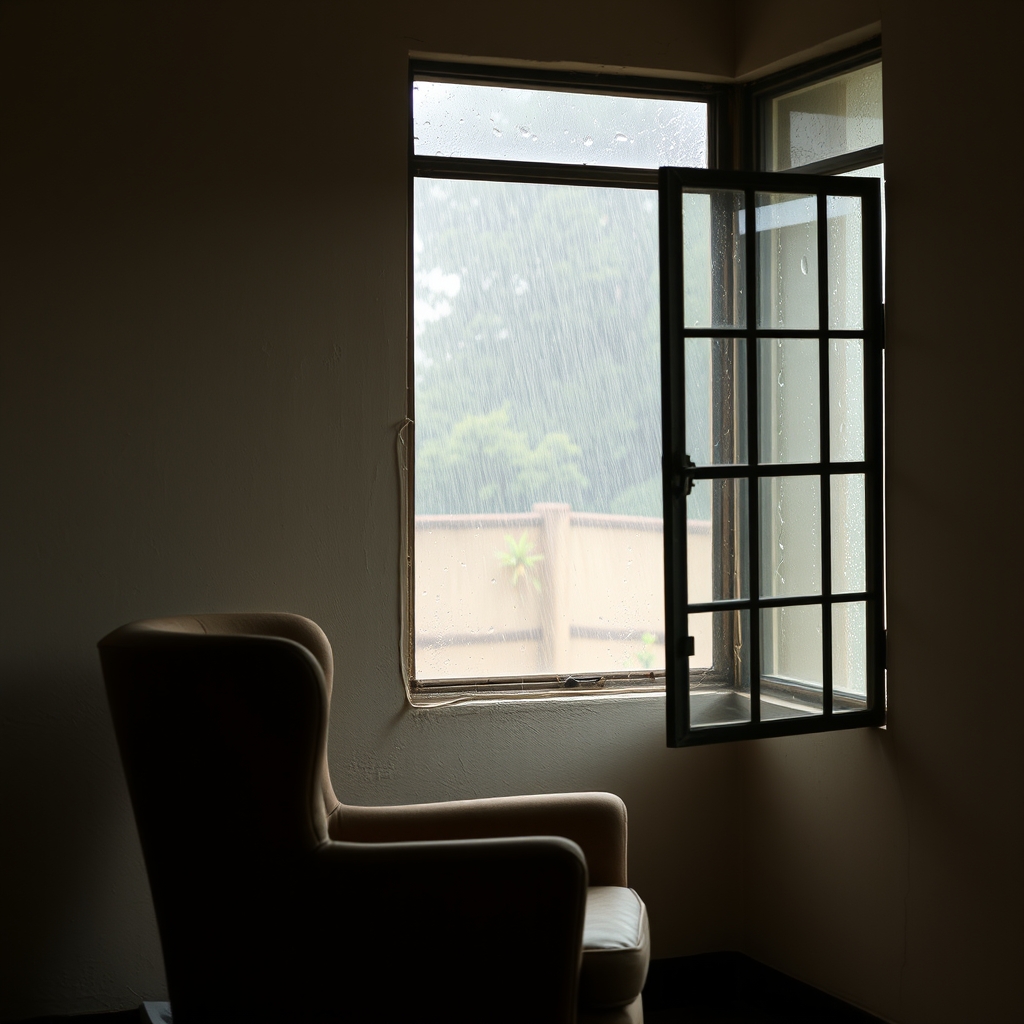
A house that breathes stays dry, and a dry house does not grow mould.
What Causes Mould and Damp in a House?
Mould is a fungus, and every fungus needs the same three things: moisture, warmth and food. The World Health Organization estimates that dampness affects 10 to 50 percent of indoor environments worldwide, so this is a problem everywhere rather than a tropical one. What changes in Zambia is how long the wet season lasts.
The US Environmental Protection Agency makes the practical point that moulds are everywhere, indoors and out, and that the way to control them is to control moisture rather than to try to kill every spore. The indoor mould literature adds that household species release spores only a few micrometres across, which is why a musty smell is often the first sign. In a house shut against the rain, condensation is the most common cause of damp.
Condensation. Warm moist air meets a cold surface: an outside wall, a metal window frame, the underside of an iron roof sheet at dawn.
Rain driven in. Loose roof sheets, blocked gutters, unsealed frames, doors that no longer sit square.
Rising damp. Ground water drawn up through unsealed brick or block at the base of a wall.
Leaks nobody notices. A dripping pipe under a sink, or a shower waste seeping behind the tiles.
Moisture we make ourselves. Cooking, bathing and drying clothes indoors put litres of water into the air daily.
Still air. Closed windows and furniture pushed tight against outside walls.
Indoor humidity matters as much as the weather outside. The EPA suggests keeping indoor humidity below 60 percent, ideally between 30 and 50 percent, and Zambia's wet months push a closed room past that without any help.
Mould does not need a disaster to start. It needs two wet days and a closed door.
Is Mould Dangerous to Your Health?
For most healthy adults the effect is short lived: a blocked nose, a cough, irritated eyes, symptoms that ease once the damp is fixed. For others the risk is higher. The World Health Organization's first indoor air quality guidelines on dampness and mould concluded that occupants of damp or mouldy buildings have up to a 75 percent greater risk of respiratory symptoms and asthma.
The advice from NHS Inform is that damp and mould can cause respiratory problems, infections and allergies, and that the people most at risk are not the ones you might expect. UK guidance on the health risks of damp and mould goes further: even if visible mould is not present, damp alone can affect health and should be treated.
People with asthma. Airways react to airborne spores and to the dust mites that flourish in damp bedding.
Anyone with allergies, hay fever or eczema. Symptoms flare in a damp room and settle once it dries.
Babies and young children, whose lungs are still developing and who live closer to the floor, where spores settle.
Older adults, especially with COPD or a heart condition, for whom chest infections are more serious.
People with a weakened immune system, including anyone on certain medicines, for whom a fungal infection is a real risk.
Work is a separate exposure. The Health and Safety Executive lists damp and mould among the causes of occupational asthma.
A damp bedroom is not a decorating problem you will get to later. It is the reason someone in the house keeps coughing.
How Do You Remove Mould Properly?
Order matters more than products. Fix the water first, because cleaning a surface that is still wetting itself is a job you will repeat next month.
The EPA guidance on mould is blunt about timing: dry any wet building material within 24 to 48 hours, clean what has already grown, and dry the area completely instead of painting over it.
Dry the room first. Open the windows, run a fan across the surface and let the wall dry for a day.
Gear up. Gloves and eye protection as a minimum. For anything beyond a small patch, the EPA clean-up guidance recommends a respirator rated for fine particles.
Work top down, a small area at a time, so you are not dropping spores onto what you have cleaned.
Wash hard surfaces with warm water and detergent, then dry them straight away. Removing the visible growth is not the fix on its own: repairing the moisture is what cuts the harm to health.
Treat stubborn growth on tile, grout and painted cement with a dilute bleach solution, about one cup of household bleach to four litres of water, left for ten minutes before rinsing.
Use white vinegar, undiluted, on porous surfaces you cannot rinse well: bare wood, plasterboard edges, mattress ticking.
Bin what cannot be cleaned: cardboard, sodden ceiling board, a mattress soaked through. Then dry the room and check the same spot in a week.
Never mix bleach with vinegar, ammonia or another cleaner. The fumes are dangerous. Painting over mould, or sealing a damp patch to hide the stain, feeds the growth behind the paint.
Surface | What works | What to avoid |
Painted cement or plaster wall | Dilute bleach or vinegar, wipe, then dry and ventilate | Sanding dry mould into the air |
Bathroom tile and grout | Dilute bleach for ten minutes, rinse, squeegee | Leaving grout permanently wet |
Bare wood and particleboard | Vinegar, then dry thoroughly, or replace the board | Painting over soft, swollen board |
Curtains, bedding and clothing | Hot wash with detergent, dry in full sun | Storing the item damp in a closed cupboard |
Mattress | Air it, sun it, use vinegar on surface marks | Damp liners and sealed bedding |
Kill the moisture and the mould leaves on its own. Kill the mould and leave the moisture, and it comes back before the paint dries.
How Do You Stop Mould From Coming Back?
The EPA reports that people spend roughly 90 percent of their time indoors, where some pollutants run two to five times higher than outside. In practice the answer is one word: ventilation.
Open the house daily. Cross-ventilate for twenty minutes morning and afternoon. Even in the rains, moving air beats a sealed house.
Ventilate at the source. A window while you cook, a bathroom fan after a shower. Good kitchen habits cut the largest share of household moisture.
Dry laundry outside, or in a ventilated space, never on a line in a closed room.
Keep furniture off outside walls, with a hand's width behind a bed or wardrobe so air can move.
Fix drips in the week you notice them. A tap washer is a small repair; a soaked wall is not. A thorough deep clean once the rains end catches what a weekly wipe misses.
Wipe glass and frames on cold mornings. Keeping windows clean and dry is the cheapest damp prevention there is.
When | What to do | Why it matters |
Daily | Open windows in the dry hours, wipe glass and frames, dry the shower after use | Water leaves the house instead of sitting in it |
Weekly | Look under sinks, behind the fridge and inside wardrobes and bedding storage | Catches a leak while it is still a drip |
Monthly | Move beds and wardrobes off outside walls, clean behind them, check roof sheets and gutters | The hidden side of a wall is where mould starts |
Each rainy season | Walk the house after heavy rain: roof, frames, floor edges, ceiling corners | Finds the leak the rain has just started |
A cheap moisture meter from a hardware shop in Solwezi tells you more than a look ever will. If a wardrobe smells fusty, the reading is already far too high.
What Do You Do About Damp Cupboards, Wardrobes and Bedding?
Soft furnishings are where damp does its quiet damage: a mattress, a wardrobe of clothes and a set of curtains hold moisture far longer than a cement wall does.
Empty the wardrobe completely, wipe the inside with vinegar and water, then leave the doors open for a day to dry.
Line shelves with paper rather than sealing them, and keep a small bowl of baking soda inside.
Leave gaps between clothes on the rail. A packed rail stays damp.
Lift mattresses off the floor onto a bed frame, and pull the frame away from the outside wall.
Air bedding weekly. Strip the bed, open the windows and let the mattress and pillows sit in daylight.
Dry bedding in full sun where you can.
Wash curtains and dry them properly, rather than hanging them back damp.
Two guides cover the detail: how to clean a sofa, carpets and a mattress, and what a laundry service handles when the pile is beyond the home machine.
A musty wardrobe is not the smell of old clothes. It is the smell of a room that never dried out.
Is It the Rainy Season or Is It a Leak?
Both look the same from inside the room. The difference is where the water starts, which decides everything about the repair.
Penetrating damp comes through the wall from outside. Rising damp climbs from the ground through unsealed brick or block. Condensation, the most common in a Zambian home, forms inside the room itself.
What you see | What it usually means | What to do |
Damp patch high on a wall or ceiling, worse after heavy rain | Roof sheet, gutter or flashing | Check the roof sheets and gutter from outside, then seal the joint |
Damp along the bottom metre of a wall, with a tide mark | Rising damp, or a leaking pipe in the floor | Rule out plumbing first, then treat the base of the wall |
Damp in a corner of an outside wall, worst in the morning | Condensation where a cold wall meets moist air | Ventilate, move furniture off the wall, wipe and dry daily |
A patch that keeps growing whatever the weather | A slow leak or a burst pipe behind the plaster | Trace the pipe before you repair the wall, or you will do it twice |
One cheap test separates them. Tape a square of plastic or foil over the damp patch, seal the edges and leave it for a day. Water on the room side means condensation; water behind it means the wall is leaking. Getting Zambia rainy-season ready starts with this walk around the house.
Rain is honest: it stops. A leak does not, and it will still be working on that wall in August.
When Should You Bring In Help?
You can handle a patch the size of a dinner plate yourself. Beyond that the balance shifts, because the water usually comes from somewhere you cannot see.
The growth covers more than about a square metre, or returns after two proper cleanings.
The damp is behind plaster, under a floor or above a ceiling board, so the surface never truly dries.
Someone in the house has asthma or a chest condition that gets worse at home.
The room has to be lived in. Clearing a bedroom, treating it and drying it out is a full day of work in the rainy season.
The job has to satisfy someone else, a landlord or an office manager: office cleaning in Solwezi is a good example.
Ask three questions before you hire anyone: what they will do about the moisture source, how they will dry the room, and what happens if the growth returns. A team that only wants to spray the surface will be back next season. What to expect from a cleaning service covers the rest.
Treat the wall, not the stain, and you will only do this job once.
Mould and Damp in Zambia: Quick Answers
The mould questions households bring us most, answered briefly.
Does vinegar kill mould?
Vinegar kills a good deal of household mould on porous surfaces and is the safer choice on bare wood, mattress ticking and fabric. It will not stop growth returning if the surface stays wet, so treat it as part of a drying routine.
Is bleach better than vinegar?
Bleach is stronger on tile, grout and painted cement, where it can be rinsed off properly, and a poor choice on porous materials. It must never be mixed with vinegar, ammonia or another cleaner.
Can you just paint over mould?
No. Paint over live mould and the growth keeps working behind the film, so the stain returns within weeks, usually larger. Fix the moisture source, clean and dry the wall, then repaint.
How do you dry a house after heavy rain?
Open it up on the first dry day, windows and doors both, and let air move through for a few hours in the middle of the day. Wipe wet frames and floors, dry bedding in the sun, and pull anything standing against an outside wall away.
Which rooms are worst for mould?
Bathrooms, kitchens and bedrooms, in that order. Bathrooms add steam, kitchens add cooking moisture, and bedrooms are where the doors stay shut and the bedding holds the damp overnight.
Do dehumidifiers help in Zambia?
They help in a sealed room and do little in a house with open windows, and they cost money to run. Ventilation and sun cost nothing and do most of the work.
When Mould Is a Job for a Team
Some damp jobs deserve a day you do not have: the ceiling board that has to come down, the wardrobe and mattress that both need stripping and drying. That is the work Aenon Horizons does across Solwezi and Kalumbila, with Lusaka coming soon.
Maid and cleaning services. One-time deep cleans and scheduled maintenance for corporate and residential clients, including whole-house drying after the rains.
Laundry and dry cleaning. Bedding, curtains and the week's wash, finished at our bespoke scent bar, with an express turnaround of 1 to 4 hours.
Car wash and auto care. After a damp house, the car carries the same rainy-season grime.
Aenon Horizons is a registered Zambian company, and every team is vetted, uniformed and trained, with each job graded against our five-star quality-control system. Message us on WhatsApp at +260 978 789 767 or email info@aenonhorizons.com, book right here, see the full range on our services page, meet the team on our about page, or browse more guides on our blog. Our office is on Kansanshi Road, opposite Yadah Christian School, Solwezi 10101; the journey starts at aenonhorizons.com.
The damp corner you have been meaning to deal with? That is our favourite kind of job.


Comments